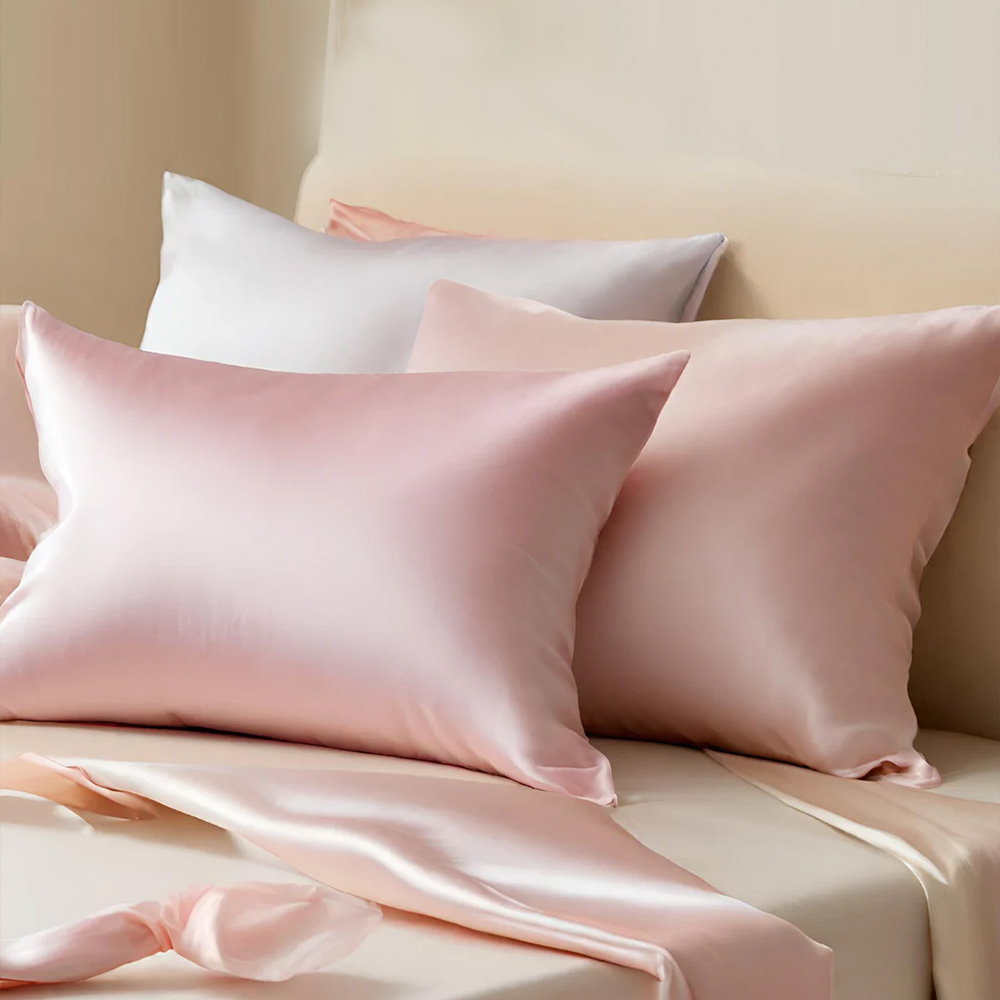
 Silk Pillowcase
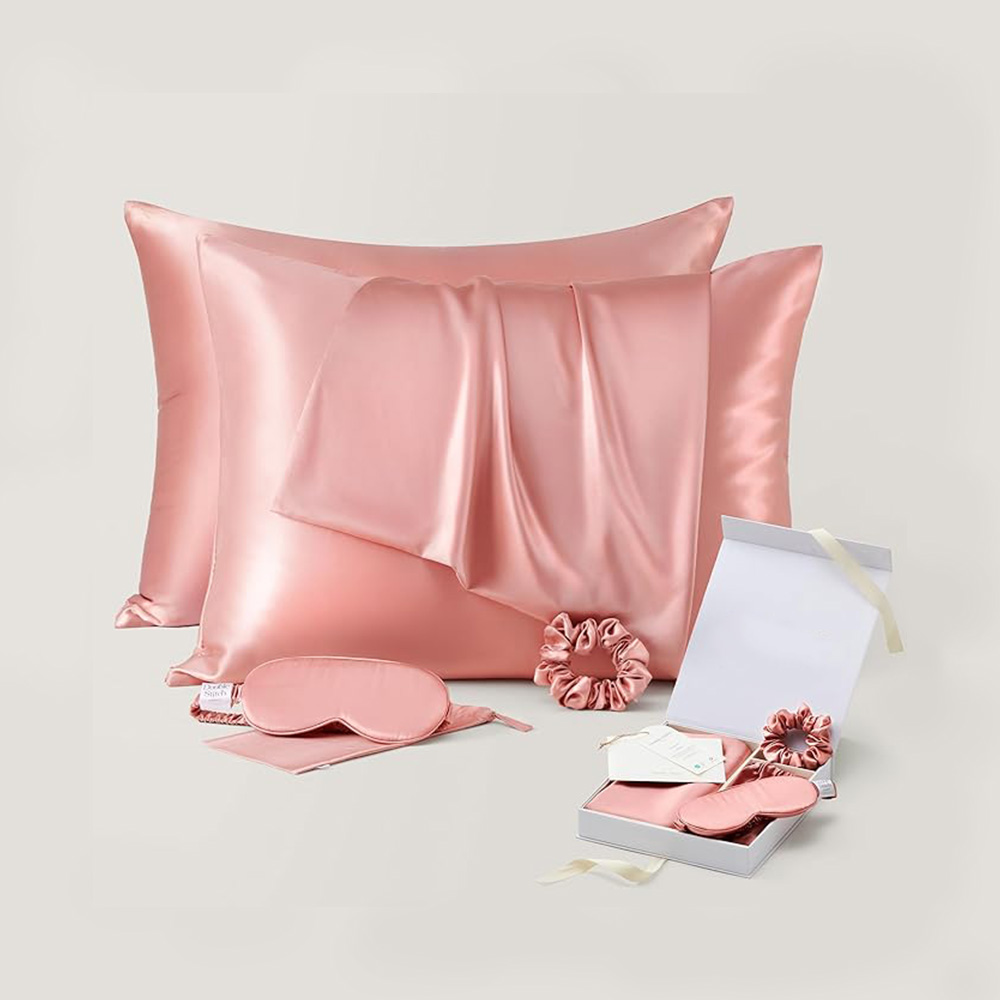 Silk Gift Set
 Silk Eye Mask
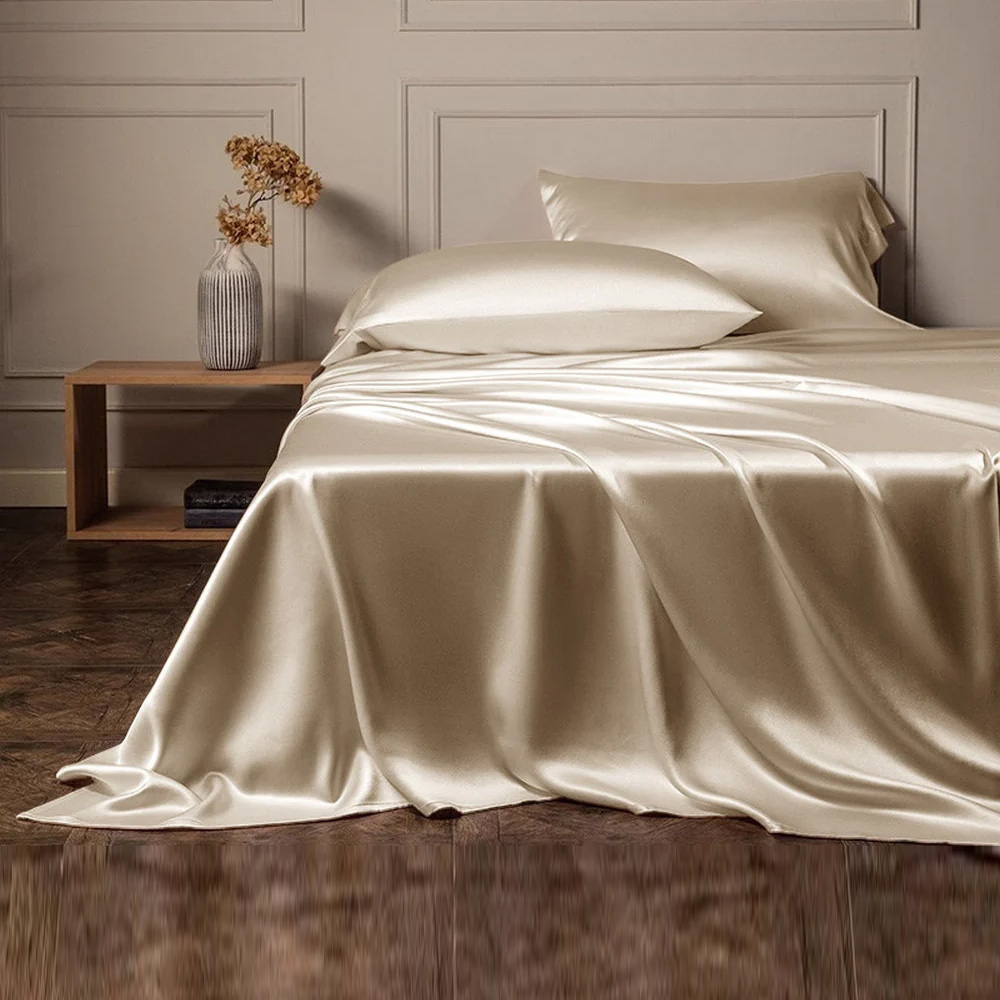 Silk Bedding Set
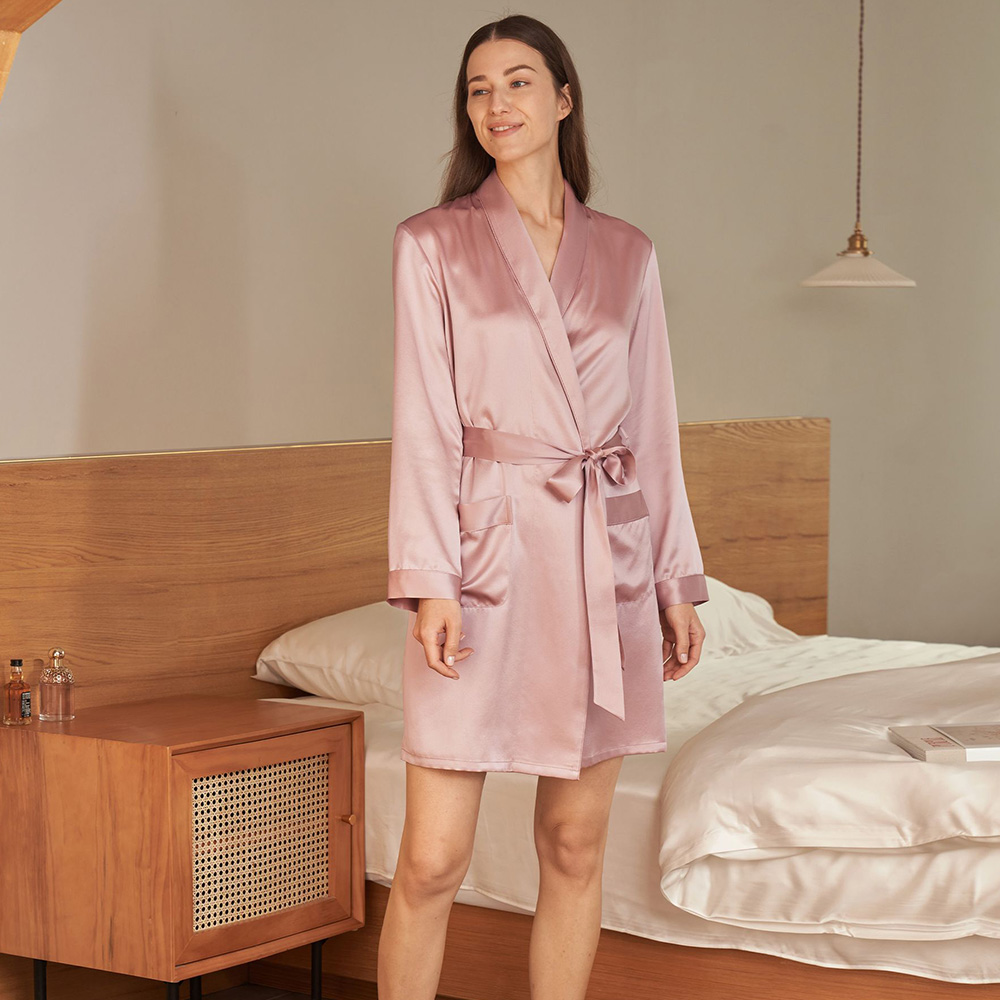 Silk Robe & Pajamas
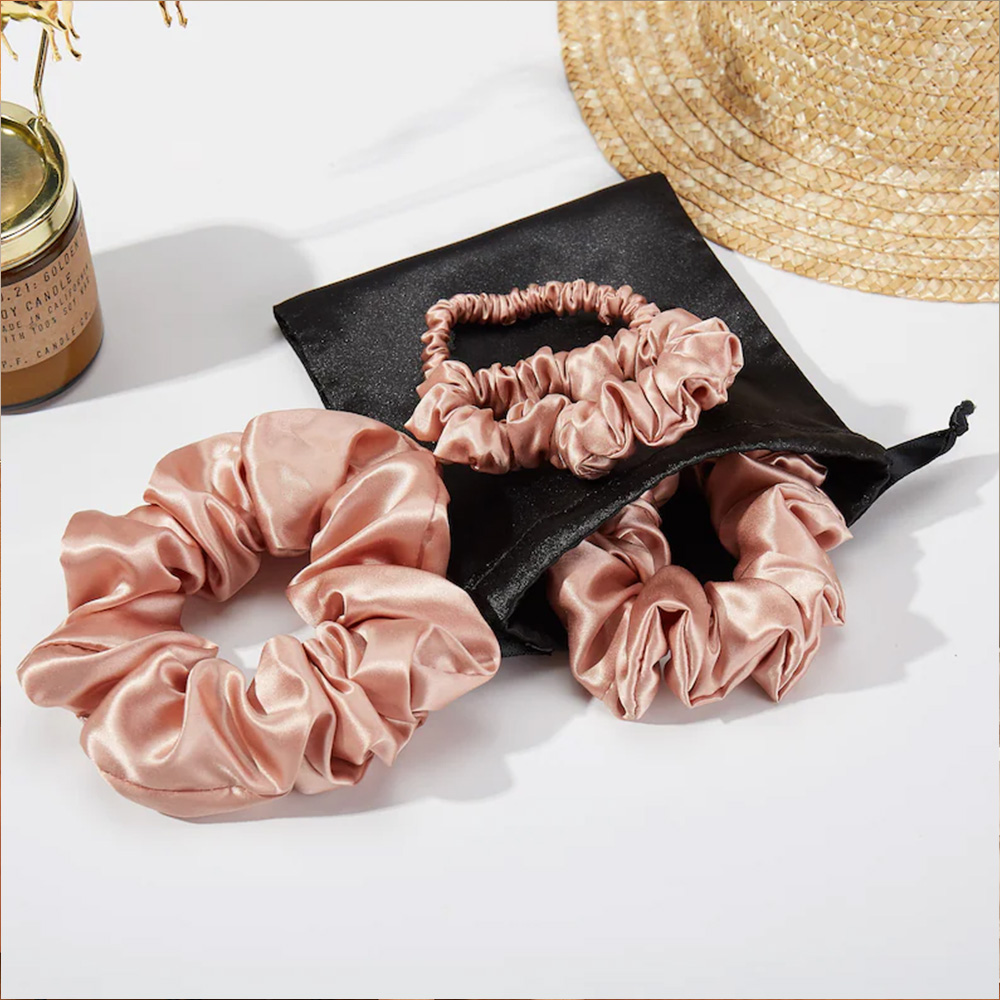 Hair Accesorries
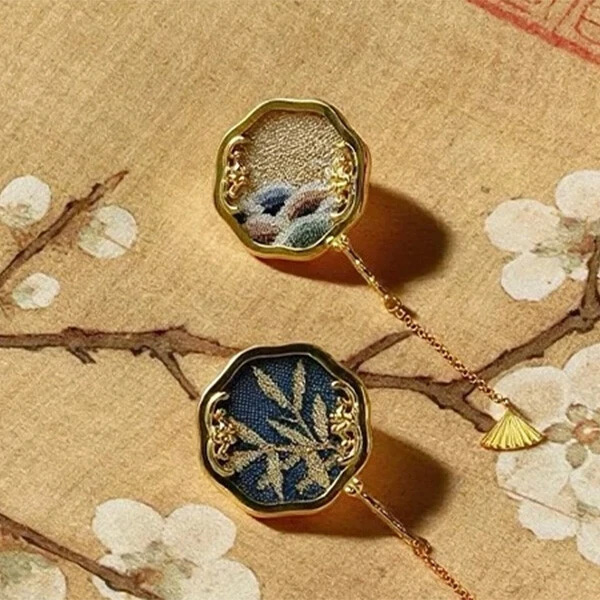 Kesi
 Song Brocade
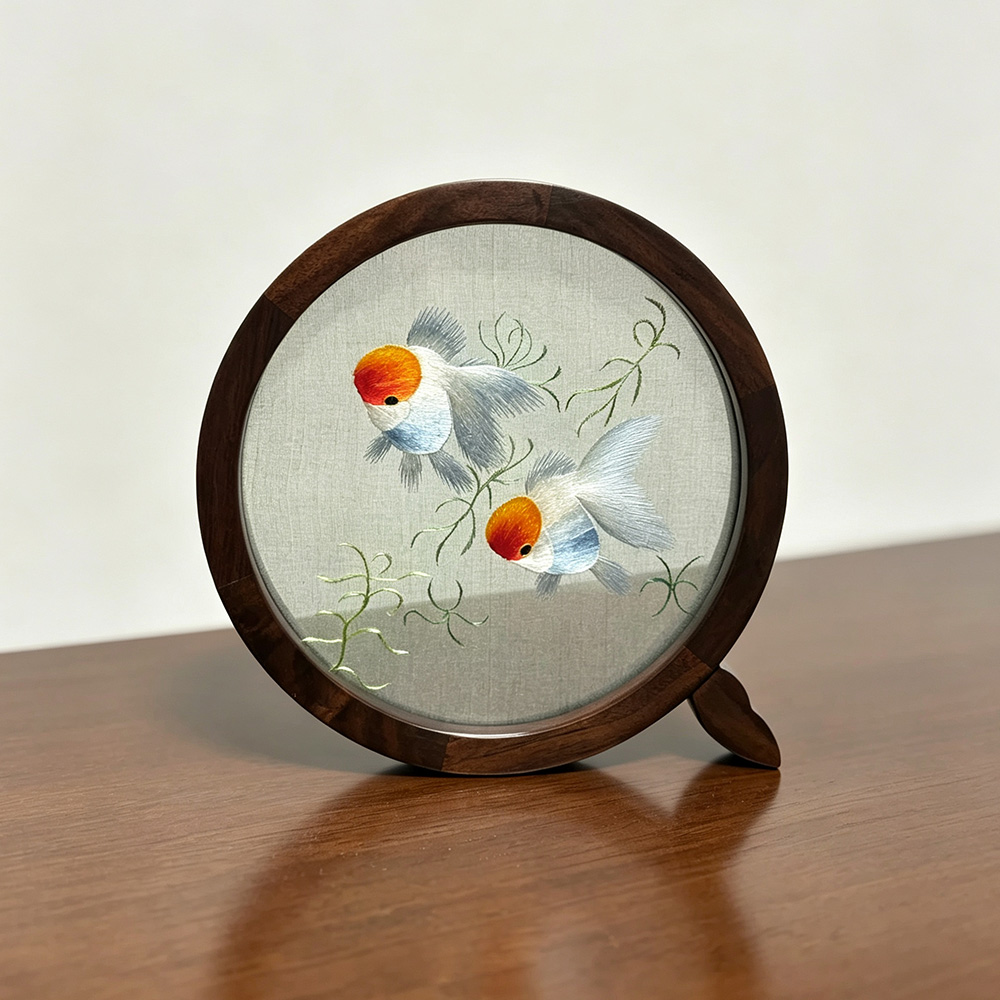 Su Embroidery

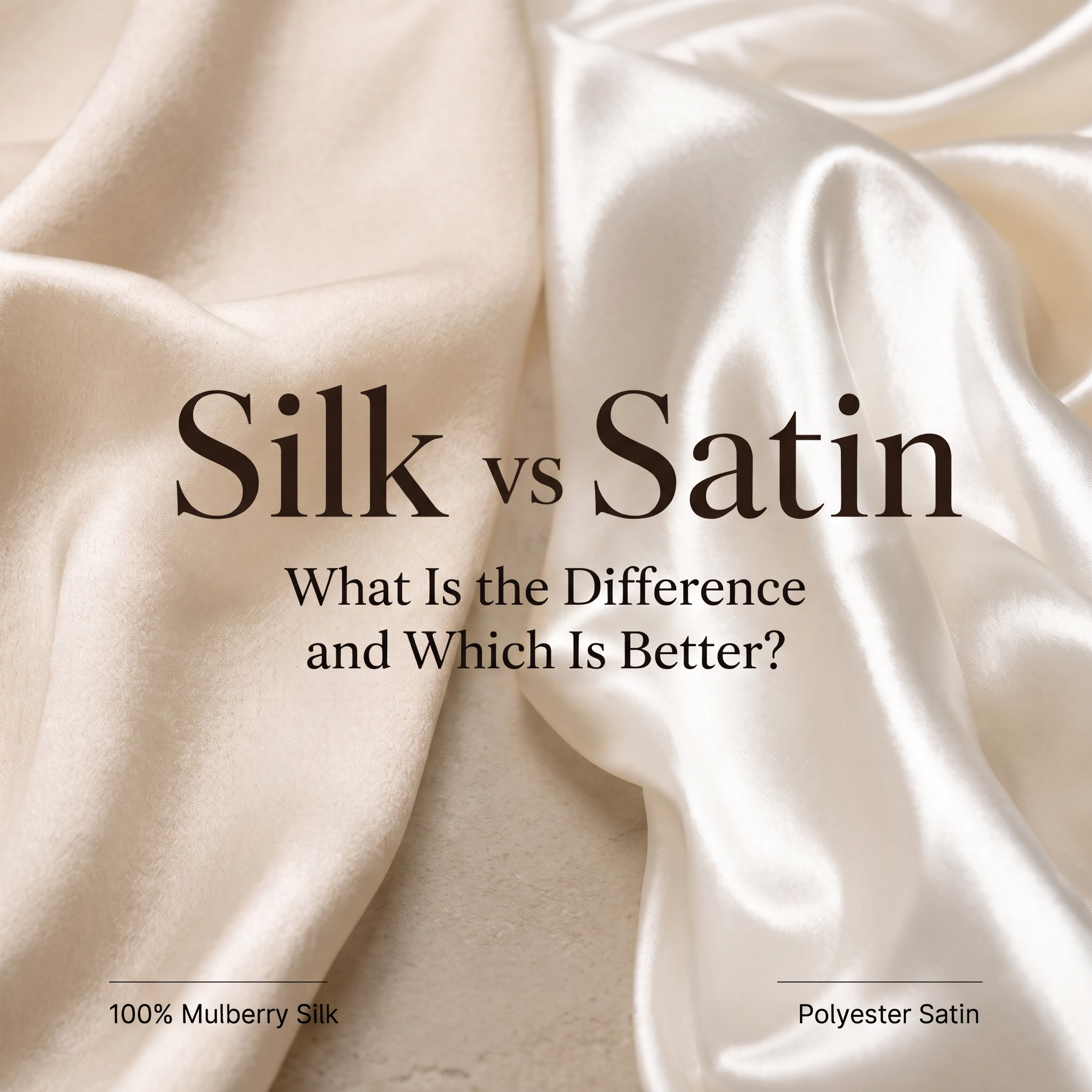
Satin vs Silk: What Is the Difference and Which Is Better?
Silk and satin are often associated with luxury, softness, and elegance. From pillowcases and sleep masks to hair bonnets, scrunchies, and luxury sleepwear, both are widely used in the beauty, fashion, and home textile industries.
However, despite their similar appearance, silk and satin are not the same thing. Understanding the difference is important when selecting fabrics, comparing product quality, or developing a private label collection.
So, what is the difference between silk and satin, and which material is better for your products?
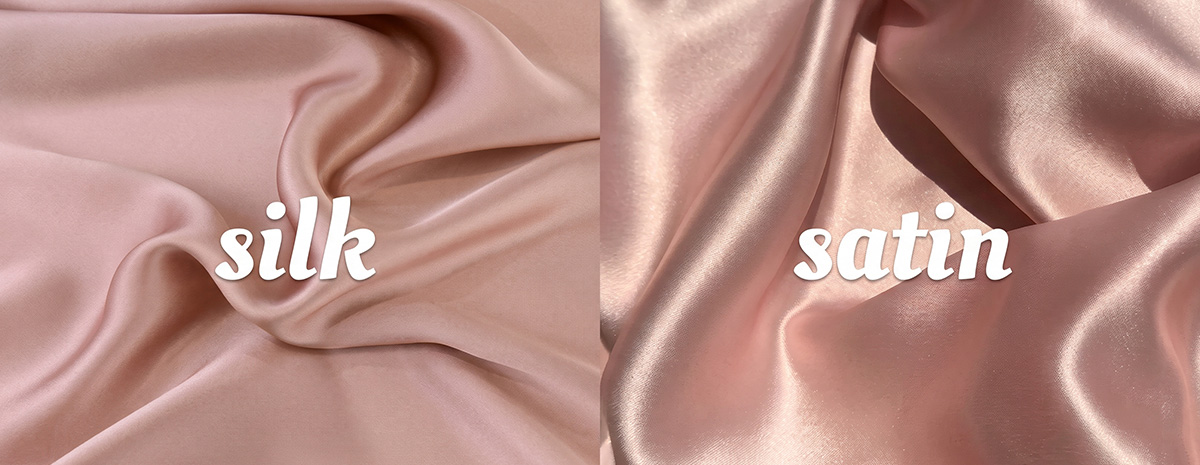
1. What Is the Difference Between Silk and Satin?
The fundamental difference is that silk is a natural fiber, while satin is a type of fabric weave.
Silk refers to the material itself, whereas satin describes how the yarns are woven together to create a smooth and lustrous surface.
Satin fabrics can be made from different fibers, including silk, polyester, nylon, viscose, and acetate.
This means that a fabric can be both silk and satin at the same time. When natural silk fibers are woven using a satin weave, the resulting fabric is commonly known as silk satin.
Therefore, not all satin fabrics are silk, and not all silk fabrics are satin.
2. What Is Silk?
Silk is a natural protein fiber obtained from silkworm cocoons. It has been valued for thousands of years for its softness, natural luster, lightweight feel, and elegant drape.
Among the different varieties of silk, mulberry silk is widely used in premium textile products because of its fine and relatively uniform fibers.
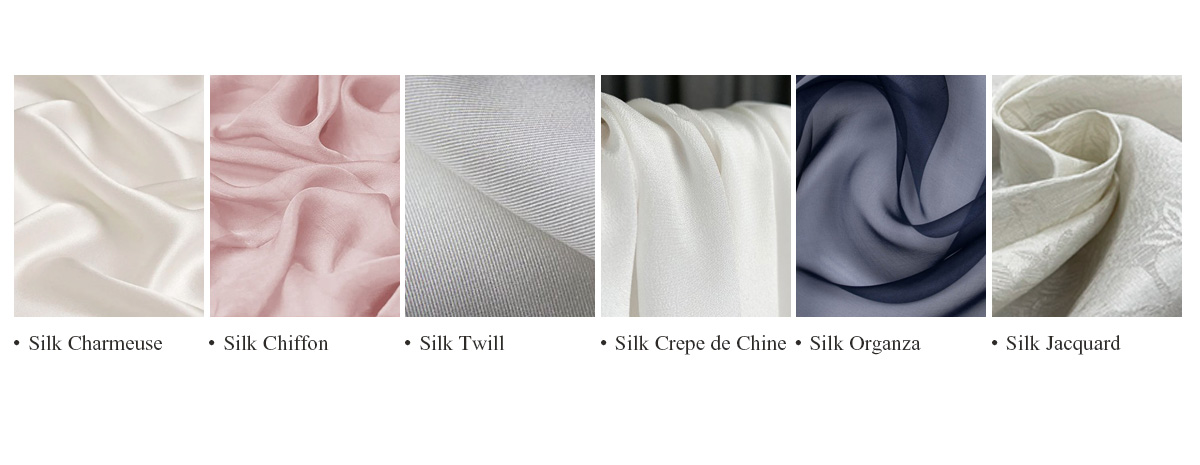
Common types of silk fabrics include:
- • Silk Charmeuse: Smooth, glossy, and fluid, commonly used for pillowcases, eye masks, and sleepwear.
- • Silk Chiffon: Lightweight, sheer, and delicate.
- • Silk Twill: Recognizable by its diagonal weave, often used for scarves and fashion accessories.
- • Silk Crepe de Chine: A soft fabric with a subtle textured surface.
- • Silk Organza: A lightweight, transparent fabric with a relatively crisp structure.
- • Silk Jacquard: A decorative fabric featuring patterns woven directly into its structure.
Each fabric offers different characteristics, making fabric selection an important part of silk product development.
3. What Is Satin Made Of?
Satin is produced using a weaving structure in which yarns float over several other yarns before interlacing. This construction creates a relatively smooth surface that reflects light and produces its characteristic sheen.
The properties of satin depend significantly on its fiber composition.
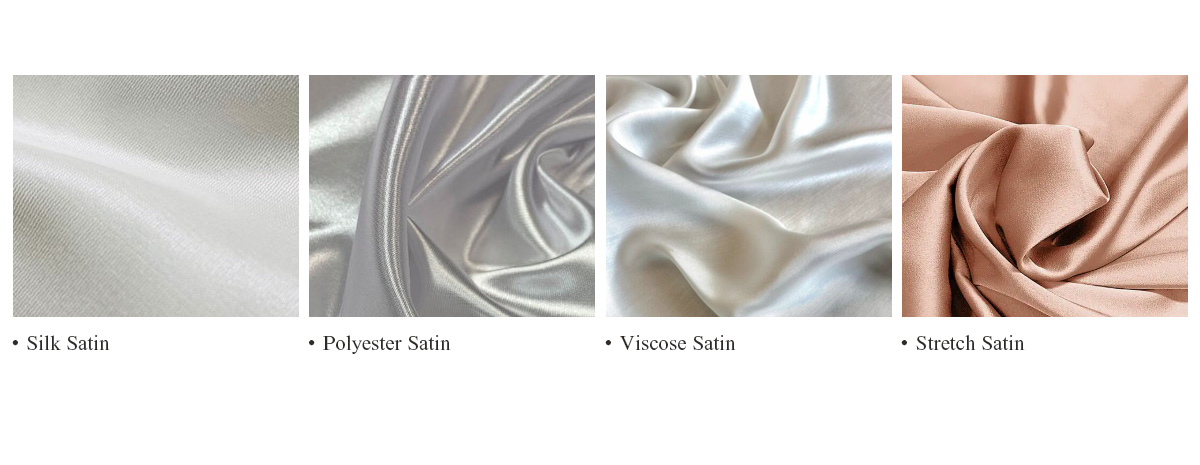
Silk Satin
Silk satin is made using natural silk fibers. It combines the smooth surface of a satin weave with the moisture absorption, softness, and natural luster of silk.
It is commonly used in premium pillowcases, luxury bedding, sleepwear, and beauty accessories.
Polyester Satin
Polyester satin is made from synthetic polyester fibers. It offers a glossy appearance at a generally lower cost than pure silk.
It is widely used in fashion accessories, clothing, decorative textiles, and affordable sleep products.
Viscose Satin
Viscose satin is made from regenerated cellulose fibers. It can provide a soft touch and fluid drape, although its performance depends on the fabric construction and finishing process.
Stretch Satin
Stretch satin typically incorporates elastane or another stretch-producing component to improve flexibility and comfort.
It can be manufactured using different base fibers, including silk and polyester, depending on the intended application.
4. Silk vs Polyester Satin: A Detailed Comparison
Since silk satin itself is a type of satin, the most practical comparison for buyers is between pure mulberry silk satin and polyester satin.
| Feature | Mulberry Silk Satin | Polyester Satin |
| Fiber composition | Natural protein fiber | Synthetic fiber |
| Appearance | Natural, elegant luster | Glossy, depending on finish |
| Texture | Soft and smooth | Smooth, depending on quality |
| Moisture absorption | Generally higher | Generally lower |
| Breathability | Depends on fabric construction | Depends on fabric construction |
| Temperature comfort | Often suitable for year-round use | Varies by fabric weight and construction |
| Durability | Requires appropriate care | Generally easy to maintain |
| Washing | Gentle care recommended | Often easier to wash |
| Price | Generally higher | Generally more economical |
| Market positioning | Premium and luxury | Affordable and mass-market |
| Common applications | Luxury bedding, beauty accessories, sleepwear | Fashion, accessories, decorative textiles |
Both materials offer advantages. The appropriate choice depends on your target market, product specifications, price positioning, and customer expectations.
5. Is Silk or Satin Better for Hair and Skin?
Both silk satin and polyester satin can provide smooth surfaces that may help reduce friction compared with rougher fabrics.
This is one reason why satin and silk are popular materials for pillowcases, hair bonnets, and scrunchies.
However, fiber composition also influences moisture absorption, comfort, and the overall sleeping experience.
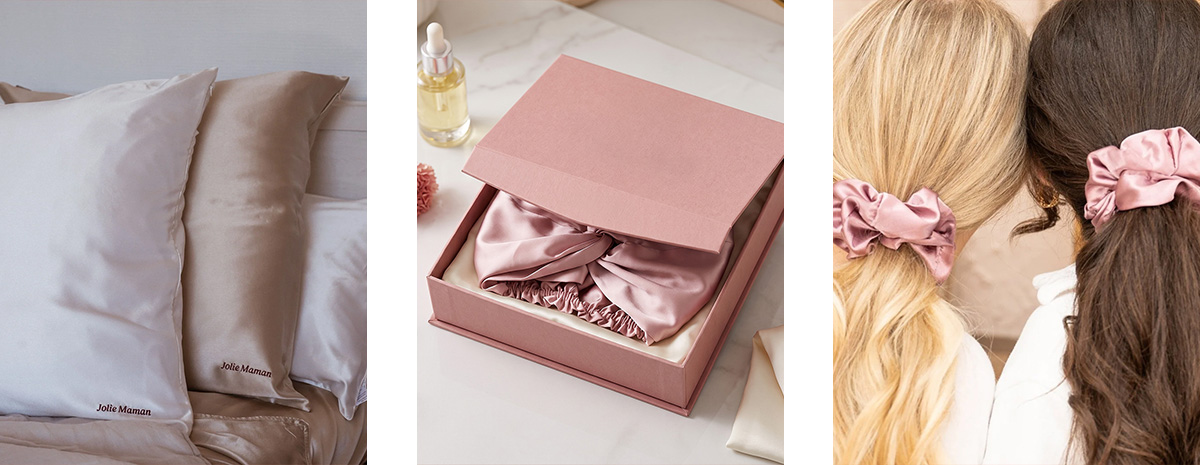
Silk Pillowcases
Mulberry silk pillowcases offer a smooth sleeping surface and a premium tactile experience, making them popular among beauty, wellness, and luxury bedding brands.
For premium collections, 19 momme and 22 momme mulberry silk are common fabric options.
Silk Hair Bonnets
Silk hair bonnets help limit direct friction between the hair and bedding during sleep.
Different designs, including adjustable, double-layer, long-hair, and turban-style bonnets, can be developed for different hair types and customer preferences.
Silk Scrunchies
The smooth surface and soft texture of silk make it a popular choice for premium hair accessories.
Brands can customize scrunchie widths, sizes, colors, printed patterns, and branded labels to create distinctive product collections.
While silk and satin products may help reduce mechanical friction, they should not be considered medical treatments for hair or skin conditions.
6. Is Silk Satin the Same as Mulberry Silk?
Not exactly.
These terms describe different aspects of a fabric:
- • Mulberry silk describes the origin of the silk fiber.
- • Satin describes the weaving structure.
- • Charmeuse describes a lightweight, fluid fabric commonly produced with a satin weave.
- • Momme describes the weight of silk fabric.
- • Grade 6A refers to a raw silk quality grade.
A fabric described as 22 momme, Grade 6A, 100% mulberry silk charmeuse combines several different specifications relating to fiber composition, raw material quality, fabric construction, and weight.
For wholesale buyers, understanding these terms helps avoid confusion when comparing quotations from different silk suppliers.
7. How to Choose the Right Momme Weight for Silk Products
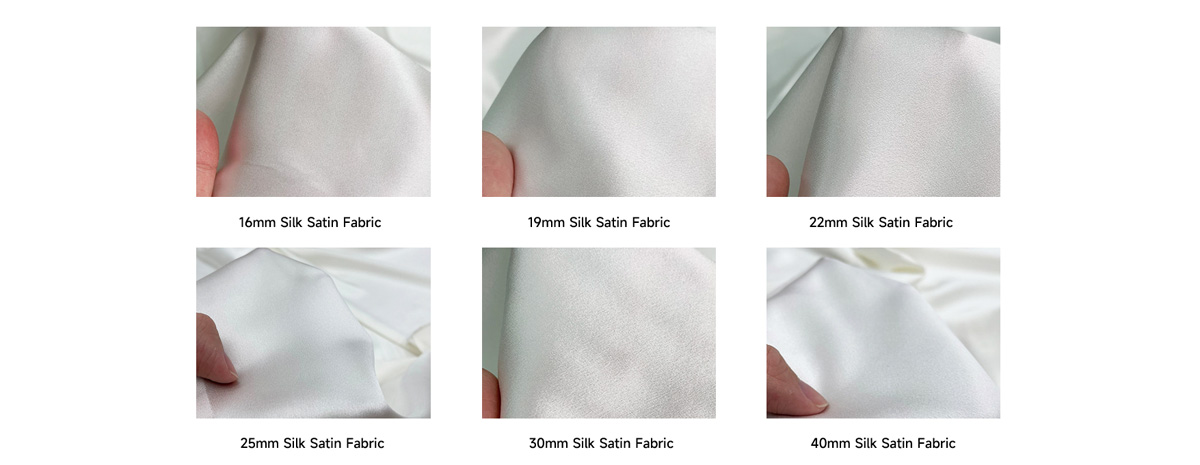
Momme is a traditional unit used to measure the weight of silk fabric. A higher momme value generally indicates a heavier fabric, although it does not automatically guarantee better overall quality.
| Momme Weight | Fabric Characteristics | Typical Applications |
| 16 Momme | Lightweight and fluid | Scarves and lightweight garments |
| 19 Momme | Soft and relatively lightweight | Eye masks, scrunchies, bonnets, pillowcases |
| 22 Momme | A balance of weight and premium hand feel | Pillowcases, bedding, sleepwear |
| 25 Momme | Heavier and more substantial | Premium bedding and luxury collections |
The appropriate momme weight should be selected according to product design, fabric performance, target retail price, and customer requirements.
8. How Can Buyers Tell Whether Satin Is Real Silk?
It can be difficult to distinguish pure silk satin from synthetic satin based on appearance alone.
Both materials can have a smooth surface and a glossy finish.
When sourcing silk products, professional buyers should confirm the following:
- The exact fiber composition.
- The fabric weave and momme weight.
- The raw silk grade, where applicable.
- The relevant textile certifications and their scope.
- Fabric samples and approved reference samples.
- Fiber composition test reports when required.
Appearance and touch alone cannot reliably verify silk content.
For commercial orders, confirming the material specifications before sample approval and bulk production is essential.
Read our related guide: How to Tell Real Silkfrom Fake Silk.
9. Which Material Should Brands Choose?
Choosing between silk satin and polyester satin is not simply a matter of deciding which fabric is better.
Different materials serve different market segments.
| Product Category | Premium Material Option | Alternative Option |
| Pillowcases | 19 or 22 momme mulberry silk | Polyester satin |
| Sleep masks | Mulberry silk satin | Polyester satin |
| Hair bonnets | Mulberry silk satin | Polyester satin |
| Scrunchies | Silk charmeuse | Polyester satin |
| Robes and pajamas | Silk charmeuse or stretch silk | Polyester stretch satin |
| Luxury bedding | 22 or 25 momme mulberry silk | Polyester satin |
For brands targeting the premium beauty, wellness, hospitality, or luxury home textile markets, mulberry silk offers a distinctive natural material story and premium product positioning.
For price-sensitive collections, synthetic satin may provide a more economical alternative.
In either case, evaluating physical samples is recommended before making a final purchasing decision.
10. Custom Silk Product Manufacturing at Megatex
As a professional silk products manufacturer in China, Megatex provides OEM and ODM solutions for international brands, retailers, wholesalers, and corporate gifting companies.
Our customized silk product categories include:
- • SilkPillowcases
- • SilkEye Masks
- • SilkHair Bonnets
- • Silk Scrunchies and Hair Accessories
- • Silk Bedding Sets
- • Silk Robes and Sleepwear
- • Customized Silk Gift Sets
We support fabric selection, momme weight customization, color development, digital printing, embroidery, private label branding, and customized retail packaging.
Our silk product offerings include OEKO-TEX STANDARD 100 certified options, subject to the applicable certificate scope, and our manufacturing operations support amfori BSCI compliance.
From initial fabric selection to sample development and bulk production, we help brands develop silk products that meet their market requirements.
Frequently Asked Questions
- Is satin real silk?
Not necessarily. Satin is a weaving structure that can be made from silk, polyester, viscose, or other fibers. Only satin made entirely from silk fibers can be described as 100% silk satin.
- Is silk more expensive than satin?
Pure mulberry silk satin is generally more expensive than polyester satin because of differences in raw material and production costs.
However, satin itself does not indicate a particular price or quality level.
- Is silk charmeuse 100% silk?
Not always. Charmeuse describes a fabric construction and can be produced from silk or synthetic fibers. Check the fiber composition to confirm whether it is pure silk.
- Is 22 momme silk better than 19 momme silk?
22 momme silk is heavier than 19 momme silk. Both can be suitable for premium products. The best choice depends on the application, fabric quality, design, and budget.
- Can silk satin be customized?
Yes. Silk satin products can be customized through fabric weight selection, dyeing, digital printing, embroidery, product design, labeling, and packaging.
Conclusion
The key difference between silk and satin is simple: silk is a fiber, while satin is a weave.
Understanding this distinction allows brands and buyers to make better purchasing decisions, compare fabric specifications accurately, and develop products that align with their market positioning.
Whether you are developing a private label silk pillowcase collection, luxury sleep accessories, or customized silk gift sets, selecting the right fabric is the first step toward creating a successful product.
ContactMegatex to discuss your silk product requirements, request fabric samples, and receive a customized quotation.